
The balance of cultural appropriation and localization and the use of the increasing trend of hybridisation results in the interesting and diverse rap music scene in Finland. This makes the music tailored to its country and resonates with its audience, but just how is this achieved?

Hip Hop is generally considered to originate from African American South Bronx section of New York City in the late 1970s, gaining a wider spread and popularity in the ’80s and ’90s. Hip hop isn’t and wasn’t just a musical genre, it was a culture comprised of many elements of dance, style and language. There is a whole history of Hip Hop that relates to urban identity, however, I would like to focus on the translation of this type of music with the essence of raising issues and concerns. A perspective into this is covered in Micheal Jefferies Interpersonal Journal of Urban and Regional Research.
This traction leads to Hip Hop taking off around the world leaving it open to reinvention and appropriations within different borders and through different perspectives. The foundational values of protest, identity and revolting against unfair circumstances are evident in countries such as Finland however with different links to the audiences. As the music travels it faces new contexts, social, political and economic. I want to focus on how this political project expanded.

Hip Hop arrived in Finland in the 80s and with it came other elements of the culture, graffiti, breakdancing and other roots. In the 1990s groups like Cool Sheiks used elements of hip hop in a hybridised version of their own music but it wasn’t until the 21st century that the Finnish Rap scene actually started establishing itself more predominantly and in a commercialized manner. The emergence of Cheek, Pyhimis, Red drama and a long list of others. There are multiple subgenres as in Finland rap interacts with the punk, and rock-pop scene. It has been argued that the localization process of the Finnish rap scene is a multifaceted process, due to the hybrid nature of modern music.
Finland is small and predominantly white European country and whilst they might not have faced the marginalisation that African Americans, feelings of adversity can be translated to their local context. In some ways, these concepts are comprehensibly universal. However, finish rap cannot escape the fact that it will always have a level of mimesis.
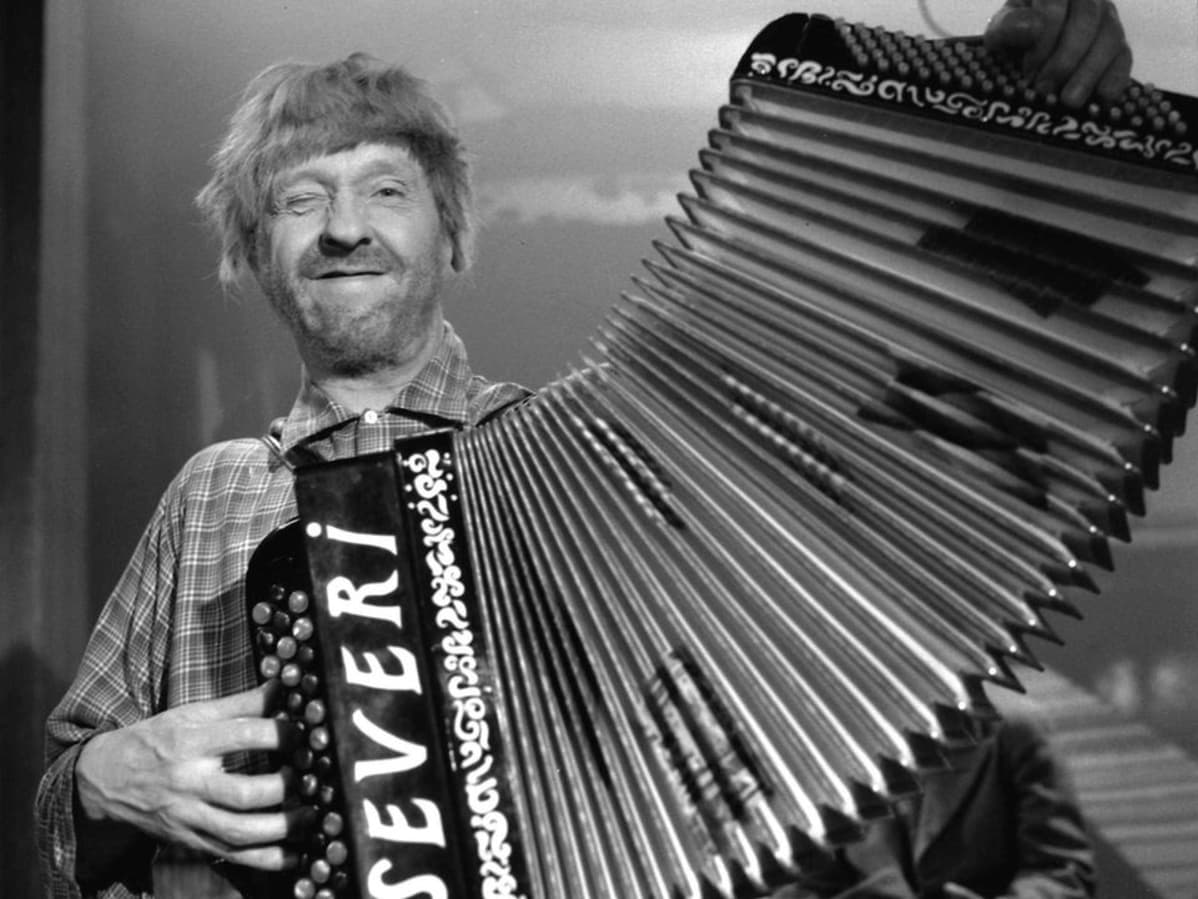
Some of the ways Finnish rappers localised the hip hop scene in their country can be seen within Ezkimos work. He discusses Finnish history after WW2, with lyrics about Esa Pakarinen, a famous Finnish entertainer whos movies and songs were for the marginalised society of the time and undermined the higher class with entertainment and song. Another example is rappers like Soppa using local northern dialect and being able to resonate with their audience whereas Cheek uses a personalised style of Rap in an autobiographical sense that can be linked to a similar style seen in rap origins, despite the stories being different.
:format(jpeg):mode_rgb():quality(90)/discogs-images/A-218939-1434980443-9641.jpeg.jpg)
I believe this begs the question if we should put limitations on art and where the line is between cultural appropriation and cultural misappropriation.
Reference
Jeffries, MP 2014, ‘Hip-hop Urbanism Old and New’, International Journal of Urban & Regional Research, vol. 38, no. 2, pp. 706–715, viewed 31 August 2019, <https://search-ebscohost-com.ezproxy.uow.edu.au/login.aspx?direct=true&db=sih&AN=94664881&site=eds-live>.
Tervo, M 2014, ‘From Appropriation to Translation: Localizing Rap Music to Finland’, Popular Music and Society, vol. 37, no. 2, pp. 169–186, viewed 31 August 2019, <https://search-ebscohost-com.ezproxy.uow.edu.au/login.aspx?direct=true&db=edsmzh&AN=2014015608&site=eds-live>.
 LAURA
LAURA 